- Lunes a viernes: 08:00 a 20:00 hrs / Sábados: 09:00 a 13:00 hrs
- contacto@libreriadelapaz.com.py

Categorías destacadas
Todas las categorías
Arte-Teatro-Fotografía-Música- Diseño- Moda
Asunto Impreso
Ciencias Exactas
Derecho- Procesal- Civil- Comercial
Editoriales
Feminísmo-Género
Filosofía
GRIJALBO
Libros infanto-juveniles
Libros técnicos
Psicología - Psicoanálisis
Paso a Paso
POLIEDRO
TAURUS
TAURUS
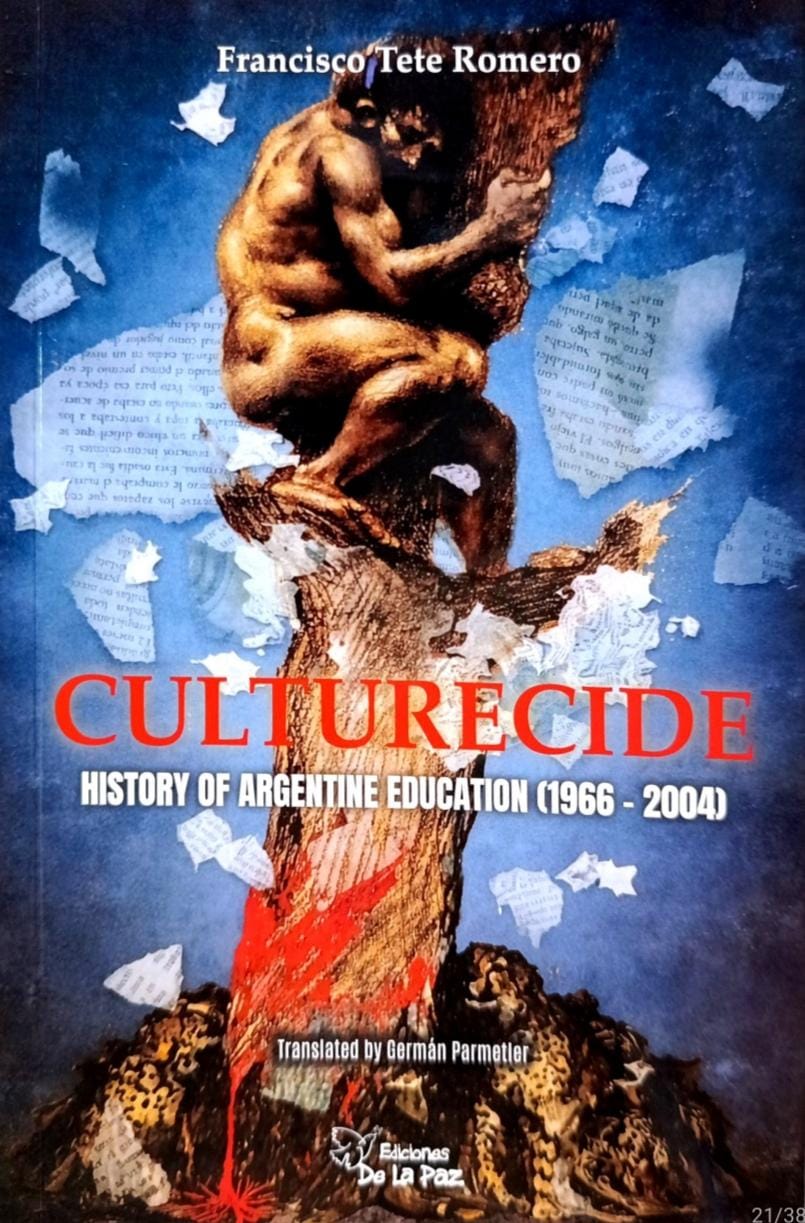
In August 2002, 1 heard Francisco Romeru speak during the 7th Forum for the Promotion of Books and Reading, organized by the Mempo Giardinelli Foundation in Resistencia. He addressed the constitution of the student as a subject within the context of today's public university and, more broadly, within the public education system as a whole. I was deeply impressed by the originality of his approach, the depth of his ideas, and the precision and beauty of his words. I was also struck by his hopeful outlook at the end of an analysis of a situation that left little room for encouragement.
The history of our university, so closely tied to the circumstances endured by Argentina, is marked by a succession of creative stages and unfortunate if not tragic-periods, the latter more frequent than the former. Romero's analysis of the historical development of the Argentine university since 1966-an analysis 1 encouraged him to publish after that encounter-sheds powerful light on the current state of our educational institutions. The text recalls events ranging from the "Night of the Long Batons," through the turbulent 1970s, the tragic period that affected Argentine society beginning in 1976, and culminating in the difficult transition to democracy, along with the emergence of new dangers such as the idolatry of the market, from which education has not escaped.
This analysis leads the author to link genocide with its necessary consequence, culturicide-one of the essay's most fruitful ideas, as it opens numerous avenues for reflecting on the nature of the miversity and the mission of its protagonists. One of Romero's greatest achievements lies in the connection he establishes between the situations society undergoes and the power of language, the evolution of reading, and the nature of the reading public. The construction of the subjectivity of university professors and students is the key element through which the author imightfully seeks to understand what has occurred during this historical period.
The value of this journey into the recent past lies in its ability to allow us to see the present in a mew light. Above all, it helps us identify the nature of resistance to change in institutions that become bureaucratized and, even worse, burdened by skepticism-a culturicidal mechanism that proves suicidal both for the institutions themselves and for the society that sustains them.
le is in identifying the causes of culturicide that hope resides. Although the task is not simple within the context of the various cultural and economic pressures exerted upon our society, it remains not only possible but urgent.
Romero's book stands as an essential reference for those interested in understanding the dilemmas of education in our country - in other words, in unveiling the questions surrounding Argentina's destiny.
AMSUNG
Guillermo Jain Echeverry Buenos Aires, September 2004